A spark from a random work conversation – so I share the rabbit holes I wandered
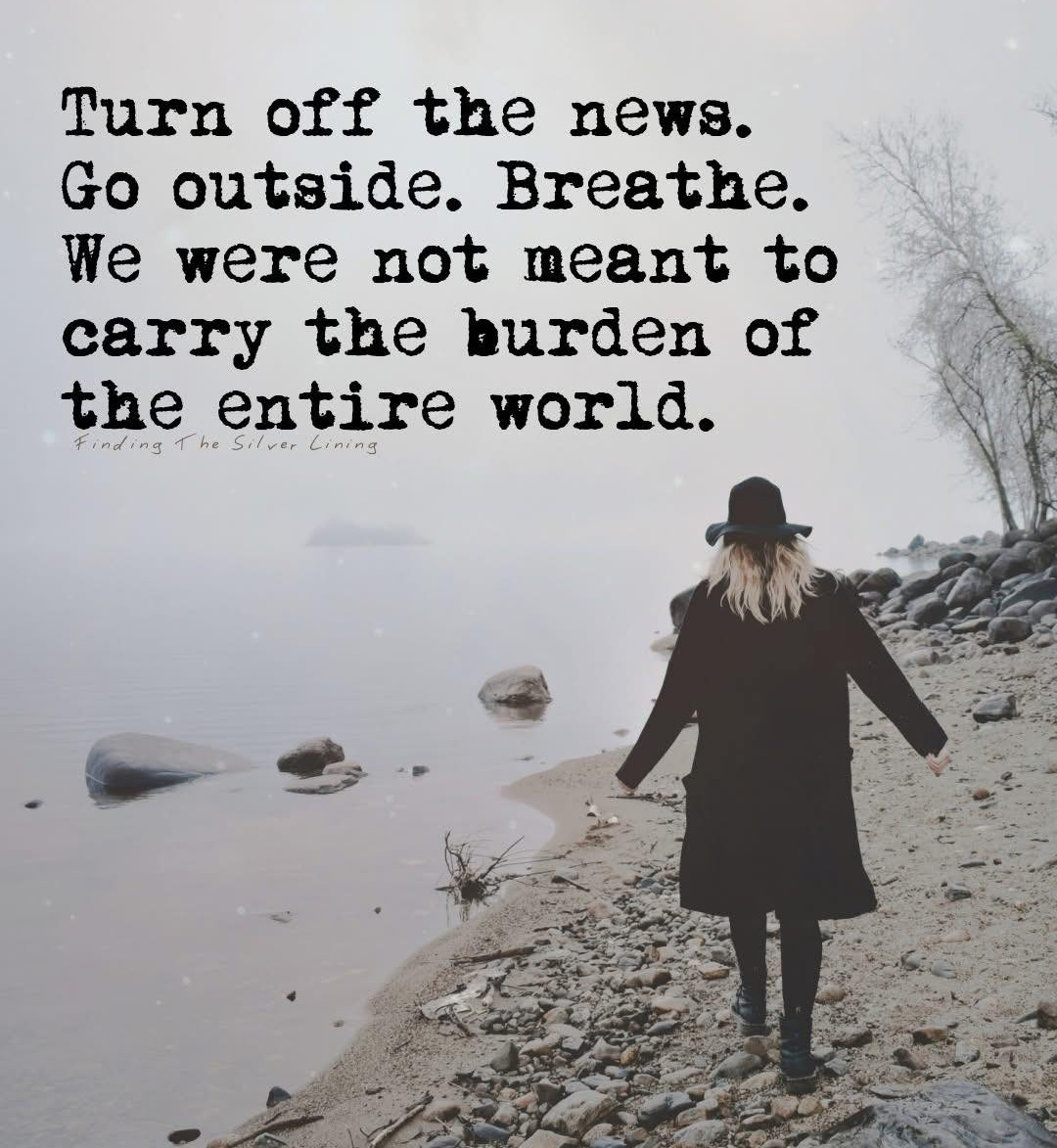
Sometimes wandering into rabbitholes emerges from unlikely places
Rabbit hole number 1
A conversation sparked this thought:
“I see you shared this on Friday – and hope by now things have settled – I share a comic and a meme about plot twists I lean into when the Whiskey Tango Foxtrot kid moments surface! Hope things are better! For context I have a 19, 10, 8 and 5 y/o all at home still.
— Beyond solidarity in caregiving – do you need any help with this? —
Also, thank you for sharing something that is too often hard to talk about. It takes courage, your post resonated with me and caused me to reflect. Hope things are well!”

Then into the rabbit hole of reflection I went!
Your post really resonated with me— (for context – (I have a 19, 10, 8 and 5 y/o all at home) – your post prompted me to remember an old comic I grew up seeing around age six (see “not me!” above).
Reading that post stirred something in me — it brought back memories from my own caregiving journey, especially the path I’ve walked with my very neurodiverse, ASD kiddos. I was reminded of a moment that felt deeply familiar, echoing the themes in the post that sent me down this reflective rabbit hole.
It happened during a season when I was immersed in one of Ryan Holiday’s books and regularly tuning into his Daily Dad podcast. In one particular episode, he explored the tension parents face when confronted with their children’s messy, sometimes destructive behavior — the choice between reacting with adult frustration, rooted in ego and control, or pausing to remember: they’re just kids, still learning, still growing.
That message hit home. It mirrored the internal tug-of-war I often feel — the challenge of guiding with patience rather than pressure, of choosing empathy over exasperation.
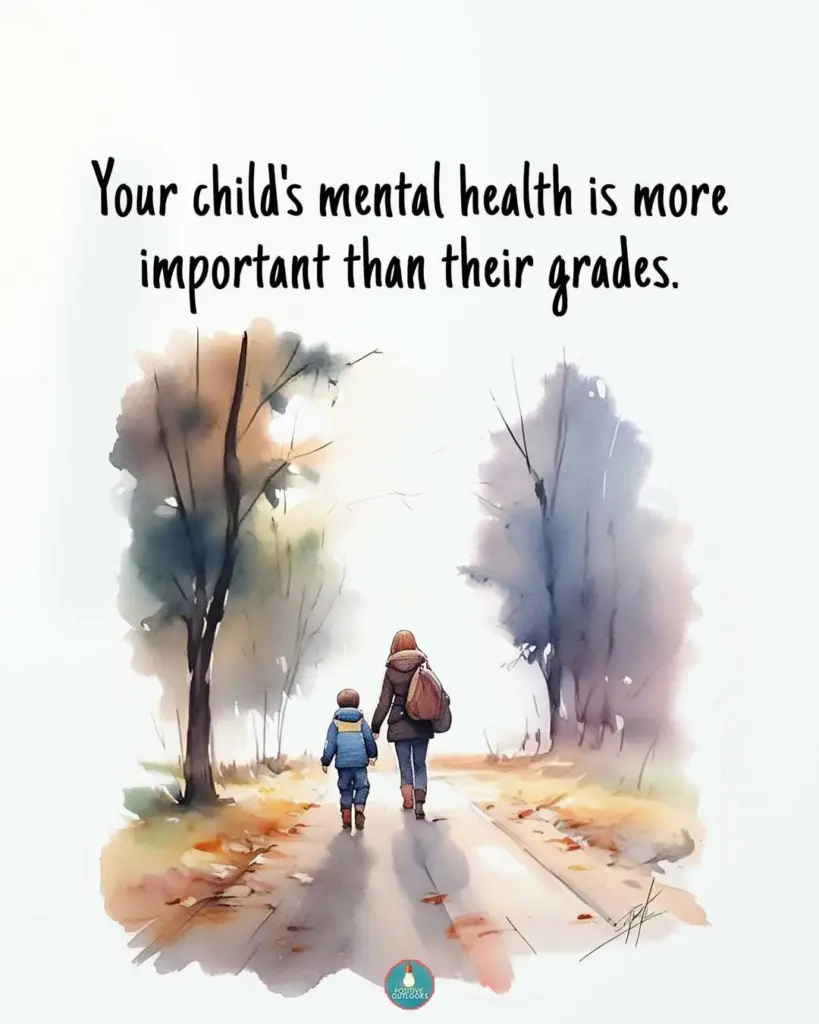
I remember laughing, crying, and even screaming internally because there’s no perfect guidebook for situations like this while parenting and adulting and being a decent human. All the while, echoing in my mind was this thought:
“Unrealistic expectations are just future resentments”.
That reminder helped me lean deeper in my confidence and strategies of emotional resilience and intentional parenting. Pro tip and reminder – We are expected to be forged in the fire of experience – and if you aren’t practiced or prepared, recalibration is most often needed after-the-fact!
Over time, I’ve observed moments where this approach pays off more than not. This is not an exact example but it looks something like this – often very particular to the kiddos particular scenario and circumstance – so be Flexible here —
‘Dad, last time was rough. I’d like to do <insert activity>. How can I do <insert activity> so we just have more fun?’

I then continued by sharing the following thought/reflection:
So thank you for sharing something that is too often hard to talk about. It takes courage, and it reminds me that while the payoff isn’t always immediate, in my experience, it’s worth it most of the time. Here’s to keeping the smile, safety, and security for our kids!
Look, let me be clear here – this example is not permissiveness! It is gentleness, mindfulness, and lead with purpose. It’s a recipe that is not fixed and absolute. Often the situational approach is quite fluid. There is not a magic “EASY” button – and most that claim there is often say something like this” “It’s my way or no way”. That doesn’t lead to resiliency. That pathway often ends in frozen and traumatized kids that repeat the vicious circle later when it’s their turn to children – **COUGH** parent when they have offspring! Not to mention the stories told of I wish I did it a bit different! I wish i would have listened more and demanded adherence to my needs less!
To lead—and be led—with empathy and purposeful intelligence is a strategy shaped not by perfection, but by experience. It’s refined through the winding boulevards of frustration and failure, where lessons are earned the hard way. But from those trials comes wisdom. And with that wisdom, something beautiful happens: your children begin to trust you not just as a caregiver, but as a steady guide. Over time, they learn to trust themselves too.
Rabbit hole number 2:
Riding the Sensory Flood: A Glimpse into My Neurowilderness
Lately, I’ve been catching up on the rhythms of work and life – I have felt more behind and flooded than anything resembling control. However, I still find myself filled with gratitude. I’m fortunate to be part of — and actively shaping — work and family cultures grounded in openness, support, and shared humanity. That reflection has inspired me to share something personal.
Last Friday, I experienced what I can only describe as a sensory overload – a flood. Not a panic attack, not a breakdown—just an overwhelming surge of stimuli that left me frozen. First things first: I’m safe, all is well, and I start therapy tomorrow. But I want to talk about what it means to navigate the neurowilderness as a neurodivergent person.
For a bit of context – I live with dyslexia —possibly more, who knows—and I’m partnered with someone who’s AuDHD. Together, we’re raising four vibrant, wildly unique kiddos, each with their own blend of ASD, PDA, and ADHD. It’s a beautiful, chaotic symphony of neurodivergence, and somehow, it took me this long to have a scenario and a self impacting event to realize I need help and soon – too!

The moment hit and began to unfold while driving the family to Sam’s Club for pretzels and food. I had music on. Then the relentless barage of well-meaning kiddo questions seeking affirmation, knowledge, acceptance and our trust. I was spiraling. Not in fear or anger—just stuck. Frozen.
Once inside the club, I navigated getting a cart, then failed helping my feral kiddos in getting situated with the cart. The false pressures of conformity and then the unrealistic expectations of wanting my kiddos to be perfect little checker pieces. Engaged on the right squares with the right moves, not the messy draw your own adventure path they were anxiously engaged in. Somehow I was ble to work through the ordering process. But the smells of the cafe, mixed with the efforts to make my chip card work with their failing point of sale credit card reader. More inputs and pressures I did not ask for, but had to with poise and precision adapt to – my spoons were gone on Monday and it was now Friday!
When I sat down to eat, I have this tell, i rub my hands – it’s my simple signal or where i am navigating the discerning the difference of anxiety or excitement – most humans can’t distinguish the nuance between the emotions of that adrenaline response. Apparently that is one of my coping mechanisms to parry through that decision phase! I was exasperated because I couldn’t tell – my palms met the contours of my face.
It was the culmination of too many stressors I couldn’t control. I felt like I’d entered my own personal “Whiskey Tango Foxtrot” zone—where life’s dynamics collided into a flood I couldn’t manage. The fans overhead, the sensory chaos of three feral children, the randomness of strangers doing their thing—it all became too much. And there I was, stuck in the middle of it, holding a pizza pretzel that was fine but not what I wanted, especially as I’m training for a 140.6-mile Ironman.
This is when and where my dear wife and life partner noticed immediately. “This isn’t normal for you,” she said, gently. She knew there wasn’t much to do except validate my safety and guide me to a quieter, less chaotic space. She didn’t hesitate – she navigated my resistance as the awesome mother and life partner she is – and shepherded the kiddos so I could numbly make my way to the car with the disgusting pizza pretzel – I more than often – enjoy!
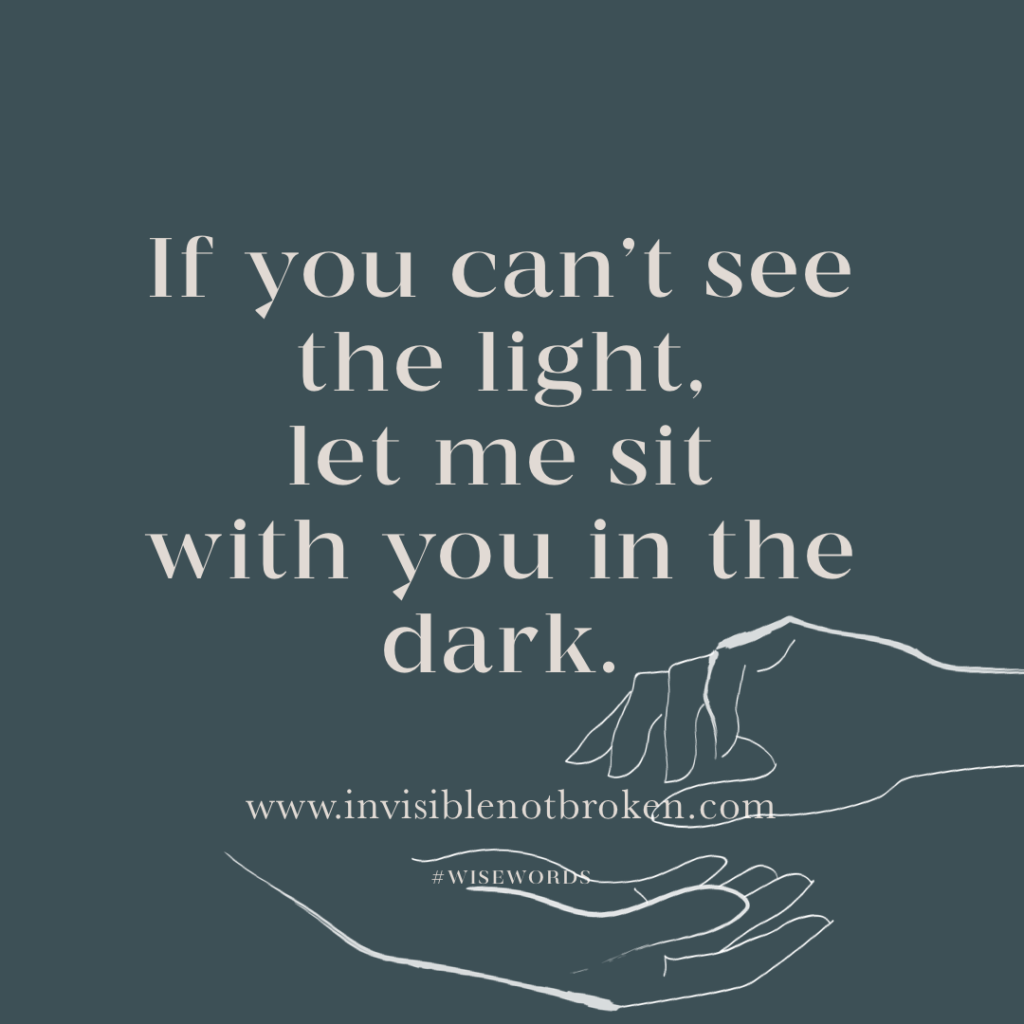
I wasn’t angry. I wasn’t sad. I wasn’t unsafe. I was just… suspended. And oddly, in the midst of that freeze, I felt a quiet joy I couldn’t articulate. Gratitude for my healthy, vibrant kids. For my emotionally resilient and mindful partner who saw me and supported me. For the fact that even though life felt like a dumpster fire – all around me, I was okay sitting in the mush pot of mud. And my wife, in her own way – sat there with me – not solving my darkness but providing me the shelter I needed to let the storm subside.
The following day – it sparked – the innovation I was seeking – not from external sources necessarily – but from within. The hunger and fire I was missing. The catalyst to overcome. So now, I’m on the verge of identifying a recalibrated methodology —a system to handle work stress, a second brain, a LifeOS oriented set of tools and strategies.
A friend of mine wrote something on LinkedIn that prompted me to write this:
As a dyslexic – writing isn’t a strength but I do appreciate now being able to write out my generalized thoughts – then I can let AI do a considerable lift. If I like the assist, then I can finalize with a retool at the end. I learned to flip the shark and use AI as one of the legs of the 3/4 legged stool strategy. I also use tools like the one they mentioned to strip any AI casting and recognition before presenting it anywhere – or providing notable attributions, as required. That step still takes a bit of efforting – lol. Not to mention to the extra efforts to chase down attributions or notes for breadcrumbs to use for knowledge based needs – but who really documents until compliance or punishments arrive – and those are most often monetary or judicial, and those require enforcement.
In this vein I continued to share these thoughts and realities with my friend:
I first posted this – A recently resurfaced reminder carries two layers worth holding onto. First, engineers often begin with a sketch — a proof of concept — not to finalize anything, but to surface cues and insights that guide the build. Second, as you noted, the toolkit isn’t designed to replace you; it’s meant to support you in the journey toward the solve.
That’s the gem we tend to forget when the flood hits — the flood of inputs, expectations, and ambiguity that can paralyze us mid-journey. We aim for resolution, but more often we encounter frustration or failure — both necessary ingredients in the cycles of growth and eventual success.
Having a tool is one thing. Knowing how to apply it — with discernment, timing, and context — is another. That kind of wisdom often comes through lived experience or mentorship, not through metrics or dashboards. And yet, it’s the very thing that tends to vanish, quietly buried under phrases like “resource management” or “shareholder alignment.” In parenting that beloved frustration of exasperations “Because I said so!” It’s a reminder to look beyond the surface and honor the deeper layers of learning that shape real purposeful and intentional progress.
The foundational gap isn’t about whether we use AI, resources, or toolkits—it’s about understanding the often overlooked foundational basics. You still need someone who knows the difference between a nail and a screw, and when to use a hammer, a driver, or a torque wrench—even with constraints and enforcements in place.
AI, like many other of its primitive predecessors, is often misused. However in AI’s case it is further complicated because of its scale, magnitude and density too often paired with a lack of respect for quality or assurance in some and if not many implementations or use cases.
That said, AI can be a powerful tool to overcome regression faults and more. But success still requires slow thinking, discipline acumen, a solid methodology, and apt precision — not neglecting adaptability and proper applied transference from lessons learned by the crucibles of experience (often encountering failure before success).
Those serendipitous words were what I needed to remind myself. I have the acumen, I have the aptitude, but if I let the flood drown me – I cannot overcome it. I do now have a sketch, or at least something I can model from and adapt based on evidence and things applied to it.
Further, I’ve scheduled therapy. I’m taking actionable micro steps. I was reminded I can do small things greatly! But in the moment and the story I described, I was just stuck. But I was also supported and held — not by solutions, but by love. Thanks to my wife, Liz! It’s not luck as the world sees it, but it’s when preparation meets opportunity – glad you and I chose each other!
- Share:

You may also like

A FB Memory Reflection
- October 25, 2026
- by #ZT
- in Agency, Discernment & Systems

The Kind of Noise I Still Recognize