

Reflections associated with a prescriptive model of compliance from work – EdTech

Buckle up - Here comes the Bendeer!
Cultivate Conviction, Not Compliance: A Stoic Call for Leadership in EdTech
Please note - - this is draft one - it is raw and superficalliy organized and edited. So buckle up!
In the garden of leadership, some prune with shears of enforcement. Comply or else, they say, as if growth were mechanical, effortless, and emotionless. Yet the Stoics remind us: the fruit is not the only goal. True cultivation lies in virtue, in tending what is within our control. Without gardeners, even the most promising orchard risks becoming a barren grove.
Today, “reinforcement” often feels transactional—stripped of clarity, transparency, and purpose. The why is missing. Investor logic hums louder than the autonomous spirit of EdTech. Progress risks becoming mechanical: fruit without gardeners, myths curated for comfort, wisdom ignored.
Leadership is not enforcement. It’s about creating a pathway to conviction. It is planting seeds of belief, tending them with rituals, and harvesting growth that endures because people choose it. Conviction inspires, compliance coerces. One builds orchards of resilience; the other leaves barren fields and fragility.

Persistent and Reasonable Professional Development Cues
- Tone of Reinforcement → Heard as “comply or else.”
Missing Why → Purpose unclear, mistrust grows.
Ethos Misalignment → Investor frameworks overshadow EdTech autonomy.
No Evangelist → No champion to inspire and synthesize.
Risk of Mechanical Growth → Fruit without gardeners.
Narrative Control → Myths replace meaning, lessons ignored.
Clarity, synthesis, and wisdom must guide the hand. Growth is not forced; it is cultivated. I find the following ideas persistently worth exploring:
Clarity isn’t about having all the answers! It is about being willing to sit with the questions. A practice I find myself returning to often is simply asking why – not just once, but again and again – but why? The objective is to arrive where the response feels rooted in something real – stripped and authentic. This is persistence without force, openness without judgment. Being aware that there is also the law of diminishing returns, so learning when to stop asking is also a skill to practice and refine!
Think of it like a seed pushing through soil. The purpose doesn’t reveal itself all at once; it emerges slowly, shaped by patience and attention. In my current organization, we currently refer to this as “capability modeling”— the practice of reducing information to its bare roots so the path forward becomes more discernible. When you strip away the noise, through this exercise of distillation, the actions needed for cultivation often stand out. And with that clarity, you can reasonably expect both successes and failures along the way, each one guiding you farther on the path.
Clarity, then, is less about certainty and more about practice (academic theory vs experiential action). Ask why until the soil feels fertile. Notice the wisdom that emerges. And trust that even the failures are part of the cultivation with the ultimate destination of growth and movement aka success.
An example: A team is rolling out a new onboarding process. The stated goal is “to improve efficiency.” You ask:
“Why is efficiency the priority?”
“Why now?”
“Why does this matter to the new hires?”
“Why will this approach work better than the last?”
Each “why” peels back a layer until the purpose becomes human-centered:
“We want new hires to feel confident and connected within their first week — because belonging drives performance.”
Another point to consider is how we spotlight others. In any daily practice, it’s easy to get caught up in noise—the endless stream of opinions, distractions, and surface wins. But clarity grows when we pause to notice genuine moments of wisdom in ourselves and in others. Elevating those small victories, naming them, and celebrating them is a way of reinforcing belief rather than policy. It’s the difference between applauding someone for following the rules and honoring them for embodying the deeper why.
So in practice, try weaving these two threads together. Ask why until the answer feels clear enough to guide your next step. Then, look around and spotlight the wisdom you see—whether it’s in a colleague’s thoughtful choice, a friend’s resilience, or your own quiet insight. Over time, these rituals cultivate clarity not as a fleeting moment, but as a way of being. Another practice I find myself using often to distill the noise to clarity – I state this phrase “the present lives between two fairytales – the past and the present” – I use this exercise while spotlighting others to remember to remind the folks that currently exist of their current value and worth now – and I don’t put it off. Do it now! Did I do it yet?
See! Clarity isn’t a memo. It’s a movement. It’s the gardener asking “why” before planting. It’s the leader who spotlights growth, not just goals or outcomes. It’s the team that chooses meaning over momentum.
Practices to cultivate, develop and use:
Ask why until it is clear.
Translate ethos into narrative everyone can carry.
Spotlight others’ wins; elevate wisdom over noise.
Create rituals that reinforce belief, not just policy.
Like Marcus Aurelius journaling at dawn, these behaviors are daily disciplines — small acts that shape enduring conviction.
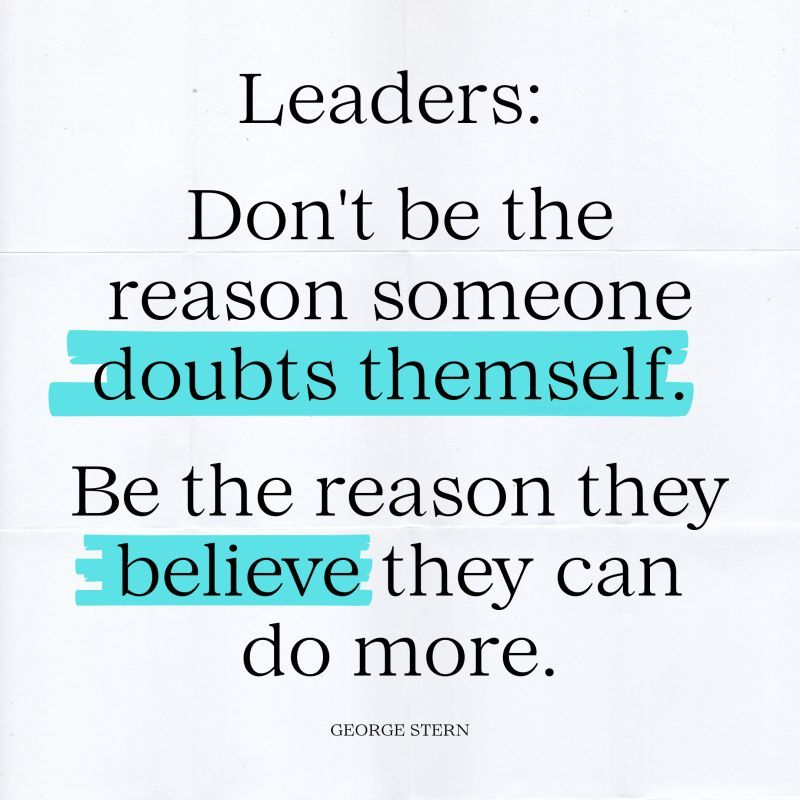
The oft missing role
The Evangelist! -- It's less about micromanaging via PMO enforced compliance and it mor about is evangelizing the practice, and pathway throughout the journey to the destination
Without an evangelist, growth is mechanical. With one, growth becomes organic. The evangelist is the gardener:
1. Illuminating the Why
Context: A team is asked to adopt a new data platform.
Flat statement: “We need to migrate because IT said so.”
Narrative translation:
“We’re moving to this platform so our teams can spend less time chasing data and more time creating insights that shape student learning. The why is about freeing up energy for innovation.”
Practice Tip: Always connect the initiative to human impact — how it improves lives, not just processes.
2. Bridging Investor Discipline with EdTech Autonomy
Context: Investors want measurable ROI; educators want freedom to experiment.
Flat statement: “We must meet quarterly targets.”
Narrative translation:
“Our discipline in measuring outcomes ensures we earn the trust to innovate freely. By showing results, we create space for autonomy — proving that creativity and accountability can coexist.”
Practice Tip: Frame investor logic as the enabler of autonomy, not its enemy.
3. Amplifying Vision Through Story and Presence
Context: A leader introduces a new mentorship program.
Flat statement: “We’re launching mentorship to improve retention.”
Narrative translation:
“When I joined, a mentor helped me see possibilities I couldn’t see alone. That’s why we’re launching this program — so every new hire has someone to illuminate their path. This isn’t about retention; it’s about belonging.”
Practice Tip: Share personal stories, metaphors, or lived experiences that embody the vision. Presence means showing up with authenticity.
4. Cultivating Gardeners Who Carry the Vision Forward
Context: Rolling out a new teaching tool across departments.
Flat statement: “Everyone must adopt this tool by Q3.”
Narrative translation:
“We’re inviting early adopters to be gardeners — to nurture this tool in their classrooms, share what works, and help others grow with it. Adoption isn’t a mandate; it’s a community effort.”
Practice Tip: Identify champions, give them language and rituals, and let them spread conviction organically.
Cultivating conviction isn’t just clarifying the facts — it’s about developing meaning. By illuminating the why, bridging discipline with autonomy, amplifying vision through story, and championing gardeners, you turn strategy into a narrative people can carry, repeat, and believe in.
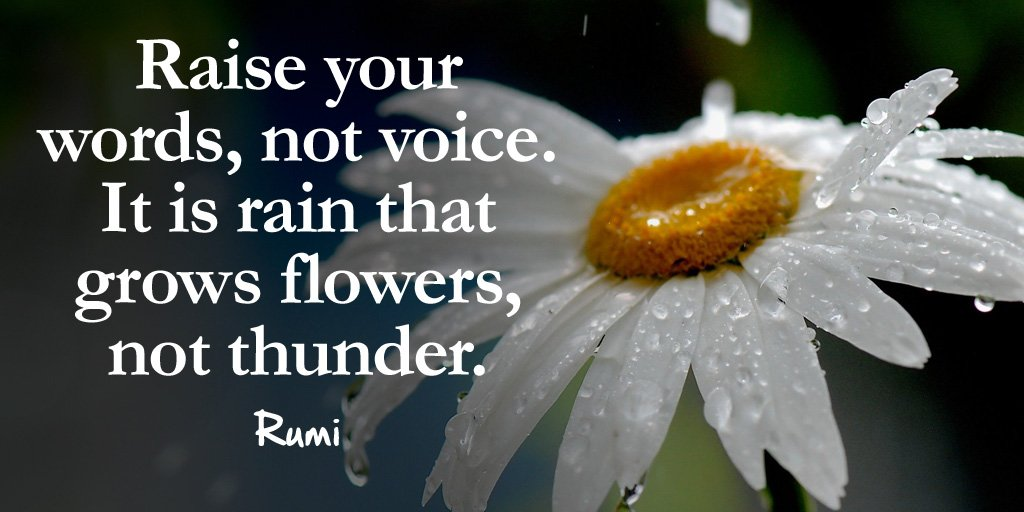
A Call for Purposeful Growth
The current approach to “reinforcement” is transactional—compliance without conviction. It lacks clarity, transparency, and shared purpose. Instead of reflecting EdTech’s innovative spirit, it mirrors investor logic. That misalignment risks stagnation.
Growth cannot be mandated; it must be inspired. Without an evangelist to champion the vision, progress will be mechanical. Results may appear, but without cultivation—without gardeners—momentum will fade. If this continues, the narrative will be shaped by those who choose comfort over challenge, myths over meaning. Hard-earned wisdom will be sidelined when it should be guiding the future.
The choice to navigate becomes more relevant and clear:
Enforce compliance, or ignite conviction.
Harvest incremental fruit, or plant seeds of transformation.
Leadership is not about rules—it’s about creating a movement people want to join because they believe in the why.

Vision
A synthesis where investor discipline and EdTech autonomy fuel a movement—organic growth, shared ownership, and enduring value. Known for clarity, credible storytelling, and community-led adoption.
Perhaps some signature behaviors should be reconsidered and recalibrated paired with persistent cultivation through practice/ritual/reinforcement and celebration:
Ask why until it’s clear.
Translate ethos into narrative everyone can use.
Spotlight others’ wins; elevate wisdom over noise.
Create rituals that reinforce belief, not just policy.
Seneca once wrote: “We suffer more in imagination than in reality.” In leadership, we suffer when we imagine compliance as growth. The reality is simpler: conviction is the soil, clarity the water, wisdom the sun. Scary part – that isn’t necessarily controllable, but it can be shaped it can be grown it can be cultivated. Much like the Ted Lasoo Believe scene above – once those values and virtues are established and flourished into conviction – not much can rip those apart!
So I choose to seek a pathway to cultivate conviction, not compliance. I strive to plant seeds of belief, tend them with rituals, and watch as growth becomes organic, sustainable, and deeply human. Then i will adapt the required toolkit to fuel the environment for that to flourish – hoping that the reaping and the harvest allows for continual seasnality and opportunity!

ADKAR - What?
Oh yes! Cultivating Conviction, Not Compliance
ADKAR
Awareness → Illuminate the why.
Desire → Inspire conviction through stories and wins.
Knowledge → Translate strategy into narrative.
Ability → Cultivate gardeners to carry the vision.
Reinforcement → Preserve wisdom so conviction becomes culture.
Awareness
What it means here: Teams recognize that “reinforcement” feels transactional and misaligned with EdTech’s spirit.
Narrative: Awareness begins by illuminating the why — making clear that the shift is not about compliance, but about conviction.
Example: Instead of “we must meet investor expectations,” leaders say, “we’re bridging discipline and innovation so our autonomy becomes a strategic advantage.”
Desire
What it means here: People want to be part of a movement, not just follow mandates.
Narrative: Desire grows when leaders spotlight wins and elevate wisdom over noise, showing that participation leads to meaning and impact.
Example: Highlighting a team’s success story where clarity of purpose created belonging and momentum.
Knowledge
What it means here: Teams understand how to act on conviction — not just what to do, but why it matters.
Narrative: Knowledge is cultivated through Vision Briefs, story labs, and synthesis maps that translate strategy into narratives people can carry.
Example: A “Why Deck” that explains how investor discipline enables autonomy, giving teams both context and confidence.
Ability
What it means here: People practice conviction through rituals, mentorship, and community-building.
Narrative: Ability is strengthened by gardeners — champions who embody the vision and help others grow.
Example: Evangelists leading forums where teams apply the Vision Briefs in real projects, turning clarity into lived behavior.
Reinforcement
What it means here: Conviction is sustained through culture, not mandates.
Narrative: Reinforcement comes from institutionalizing wisdom — repositories, playbooks, and rituals that keep lessons alive.
Example: A Wisdom Repository where teams share what worked, what didn’t, and what they’ll do differently, ensuring clarity endures.
Change, like a garden, doesn’t bloom because we command it. It grows because we tend it. The ADKAR model gives us a trellis to guide that growth — not rigid scaffolding, but a frame where conviction can climb.
Awareness is the moment we notice the fog. We realize that “reinforcement” feels like comply or else, and we begin to ask why. Awareness is the lantern that lights the path (THE LIGHTBULB MOMENTS), showing us that the journey is about conviction, not compliance.
Desire begins as a kindled spark that makes us want to walk that path. It grows as we observe, recognize and praise other’s (and our own) successes and growths cycles through inevitable failures, where wisdom learns to elevate above noise. Desire is not forced; it’s inspired. It’s the gardener who chooses to water the seed because they believe in the harvest.
Knowledge is the map we carry. The fabled myth story of a ‘true north’? Oh no, it’s the Vision Brief, the story bank, the synthesis map that turns abstract strategy into a narrative people can hold in their hands. Knowledge is clarity translated into meaning — the difference between a rule and a reason. It’s actionable information that requires human experience and discernment to navigate with an aptitude far beyond the density AI provides!
Ability is the practice. It’s the gardeners tending the orchard, the evangelists sharing stories, the rituals that make conviction real in daily life. Ability is not about perfection; it’s about presence. It’s the soil under our fingernails that proves we’ve been cultivating. Journeys and execution preferences provide context that allows content to be realized. To often content is share without context or before context – devaluing the opportunity – well or masking it for only the greedy shareholders or curators of narratives without context.
Reinforcement is the rhythm that keeps the garden alive. It’s the Wisdom Repository, the rituals, the playbooks that remind us of lessons learned. Discipline is forged in the courageous moment. Reinforcement is not a hammer; it’s a heartbeat. It ensures conviction doesn’t fade but becomes culture.
Together, these elements form a whimsical but sturdy framework: Awareness lights the lantern, Desire sparks the flame, Knowledge draws the map, Ability tends the soil, and Reinforcement keeps the rhythm. In this way, ADKAR becomes less a model and more a melody — a song of conviction that leaders and teams can hum together as they grow.
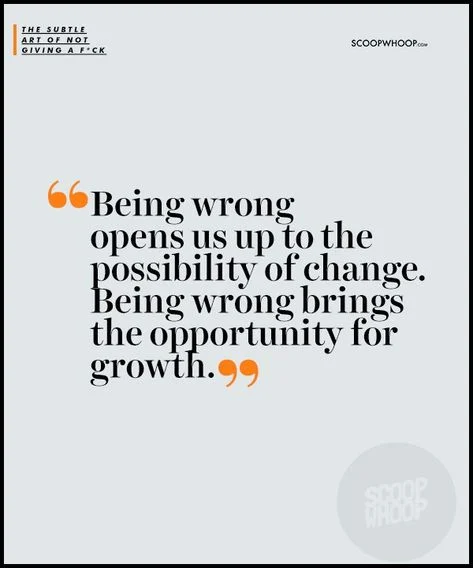
At the heart of change is not compliance, but conviction. The Stoics remind us that virtue is cultivated through practice, not decree — and the ADKAR framework offers us a rhythm for that cultivation.
Just as courage emerges through the practice of empathy, clarity is something we cultivate, not command. Like Marcus Aurelius with his morning reflections, we return to the question of why until the purpose breathes with life. We choose to spotlight wisdom over noise, so conviction can be seen in motion rather than lost in distraction. Strategy becomes story — a narrative people can carry and believe in. And we empower gardeners to tend growth in their own spaces, nurturing conviction with care.
Change, then, is not a rigid decree but a living garden. It thrives through patience, curiosity, and shared stewardship, reminding us that true transformation is organic, sustained, and deeply human.
Prompts for Practice:
Pause and ask why three times — notice how the answer deepens.
Each week, spotlight one story of wisdom or conviction in action.
Reflect on where discipline enables freedom in your own work.
Create a small ritual that reinforces belief — a journal entry, a story circle, or a gardener’s forum.
In this way, transformation becomes less about rules and more about rhythm. Conviction is the seed, clarity the soil, wisdom the sunlight, and community the gardeners. Together, they cultivate growth that is organic, sustainable, and deeply human.
Just as courage emerges through the practice of empathy, clarity is something we cultivate, not command. Like Marcus Aurelius with his morning reflections, we return to the question of why until the purpose breathes with life. We choose to spotlight wisdom over noise, so conviction can be seen in motion rather than lost in distraction. Strategy becomes story — a narrative people can carry and believe in. And we empower gardeners to tend growth in their own spaces, nurturing conviction with care.
Change, then, is not a rigid decree but a living garden. It thrives through patience, curiosity, and shared stewardship, reminding us that true transformation is organic, sustained, and deeply human.
I find this is a good. place to pause.. To reflect. And for me to get that currently mandated finish this training or else compliance and mandated requirement completed prior to December 31 – sooner if I can!

You may also like
Pressure Is Not the Enemy — Unbounded Pressure Is
- June 10, 2026
- by #ZT
- in Agency, Discernment & Systems

Presence Over Perfection