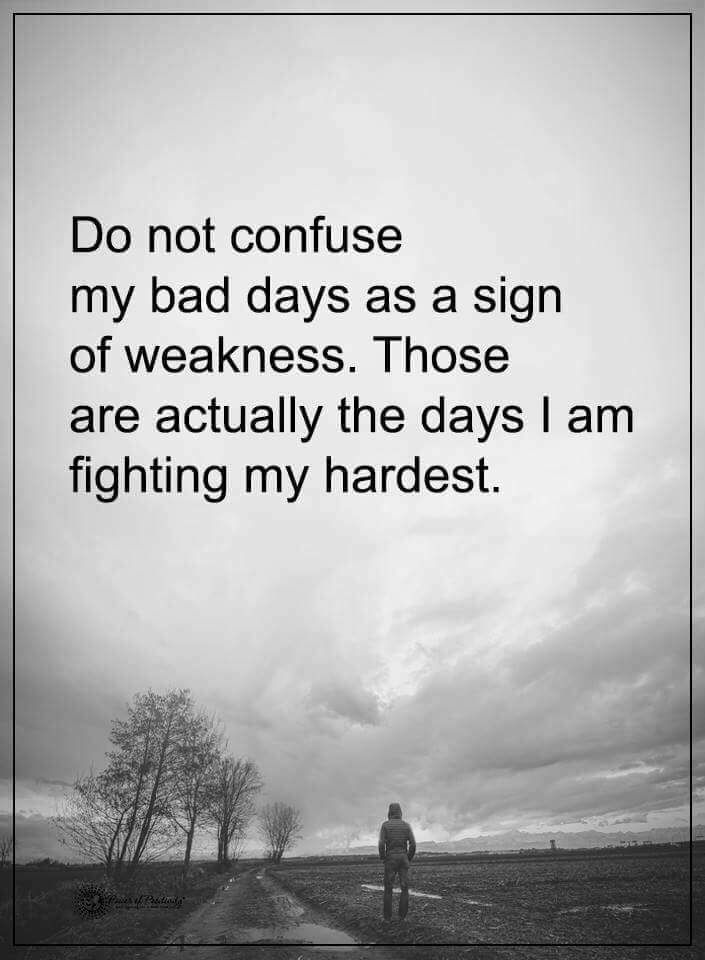
There are days when the ego cards get stacked in ways I can’t control. Not by merit. Not by skill. Just stacked.
I’m handed a scenario that feels unwinnable, or at least engineered to be. Epictetus would say there are two handles on every situation, and you only get to pick up the one you can actually hold. So I pick up the handle I can hold. I do the work. I lead from the front. I stay steady.
But there’s a shift that happens after enough years of being competent. People stop noticing the cost. They stop noticing the lift. Eventually, they stop noticing you.
High achievers talk about gratitude like it’s a practice, but most of us don’t pause long enough to witness it. Not because we’re ungrateful — but because gratitude gets absorbed into the baseline expectation. Another quiet task folded into the stack.
Years ago, I got a text congratulating me for an award I didn’t even know I’d received. No conversation. No context. Just a digital nod for something I apparently did well enough that no one thought to tell me about.
I should have recognized the pattern. But I defaulted to grace. I always have.
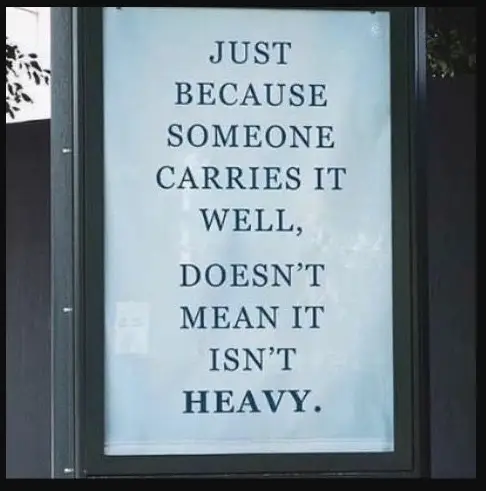
That’s the trap: when you’re good at carrying things, people assume the load is light.
The overwhelm isn’t in the things themselves. It’s in the flood of handling all of the things — the orchestration, the switching, the buffering, the invisible labor of keeping the system from collapsing.
Competence becomes camouflage.
You start to realize you’re not drowning in effort. You’re drowning in unwitnessed effort.
You’re not exhausted by responsibility. You’re exhausted by the expectation that you’ll carry it without needing anything in return.
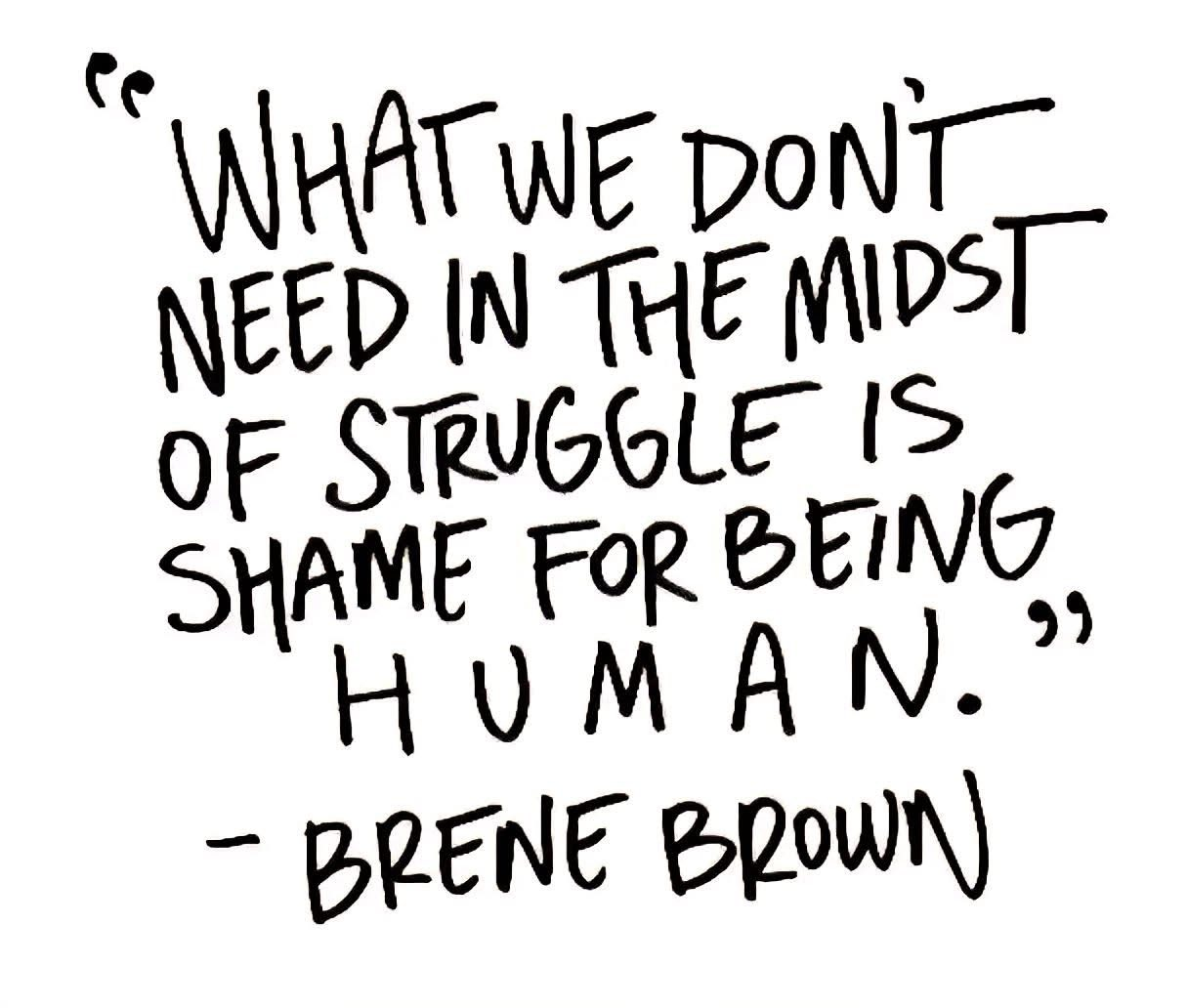
And that’s the rub. Not the tasks. Not the pace. Not the outcomes. It’s the quiet, relentless management of everything — the part no one sees, because you’ve trained them not to.
So when I’m handed another impossible scenario — when I’m chosen because others in “leadership” can’t step into the arena, when my reputation is quietly reshaped in rooms I’m not in — I feel that rub.
I feel the weight of being the one who can carry it. And the frustration of knowing that competence is both the reason I’m chosen and the reason I’m overlooked.
I can’t control their perception of me. I can’t control the levers being pulled by people who have never carried the weight of the work they’re rearranging. I can’t control the erosion that happens when others reuse my work without understanding it.
But I can control this: if my work is going to be taken, reused, reshaped, or repurposed, then I will make sure it’s durable. I will leave notes. I will leave context. I will leave scaffolding so the thing doesn’t collapse under someone else’s misunderstanding of it.
I’ve been through enough interviews only to observe my solves show up elsewhere. I know my fingerprints. I know my design language. I know the difference between a generic strategy deck and a model built from first principles.
Even more emergent models are just the previous ones I shaped for previous solutions, repackaged. I’m not angry about the reuse — I never have been. What frustrates me is where the critical context is stripped away, when the work is used without understanding the philosophy behind it, when the shape remains but the soul is missing.
So I’ve started mentoring others toward a different approach: make your information durable. Make it reusable. Make it so the work can survive outside of you — but also so it can’t be misused without someone noticing the seams.
Durability isn’t documentation. It’s stewardship. It’s leaving behind something that can be picked up by someone else without losing its integrity.
Because here’s the truth no one wants to say out loud: there will come a time — soon — when the people pulling the levers will look around and realize there’s no one left who can actually do the work. Not the real work. Not the front‑line work. Not the work that keeps the whole thing from collapsing under its own weight.
And when that moment comes, it’s going to hurt.
But I won’t be caught unprepared. I’ll keep doing what I’ve always done: lead from the front. Document the path. Make the work durable. Carry the handle I can actually hold.
And finally, name the architecture of the load I’ve been carrying all along.