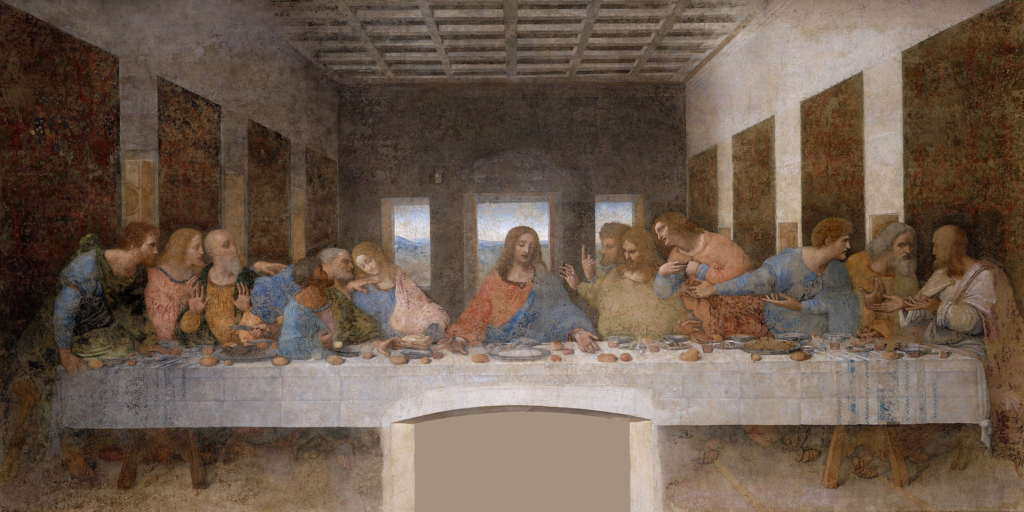
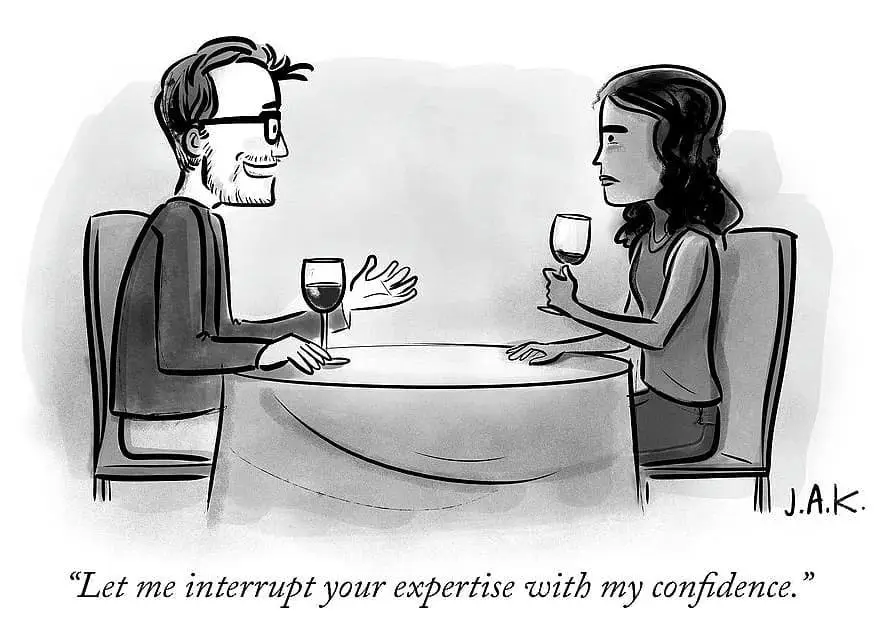
Every now and then, a simple question opens a door you didn’t expect. Someone asks, “Who painted the Last Supper?” and instead of just answering Leonardo da Vinci, you find yourself spiraling into something deeper — not about the painting, but about the way we perceive anything at all. I keep coming back to three moments from the 2024 Paris Olympics opening ceremony — each one landing with its own kind of irony.
Irony Number One
First, that immediate, in‑your‑face juxtaposition: Marie Antoinette at the Conciergerie colliding with Gojira’s Mea Culpa (Ah! Ça Ira). The friction between centuries‑old history and raw contemporary metal felt absurd at first glance — almost intentionally dissonant. But without any disguise, it exposed how culture often reveals its deepest truths through the very contradictions we’re trained, and then systemically pressured, to ignore. That compliance‑versus‑conviction tension hit hard, a kind of collective whiplash to the heart and mind.
Irony Number Two
Then there was the moment in the middle: Imagine (John Lennon’s interpretation of Yoko Ono’s poetry and art) sung over the Seine — a river bearing centuries of misuse — with the piano burning bright and the world watching. The irony wasn’t subtle, but it was honest. It took some searching to find that performance again, and I’m grateful I did. Beauty emerging in a neglected place feels like a quiet act of defiance.
Irony Number Three
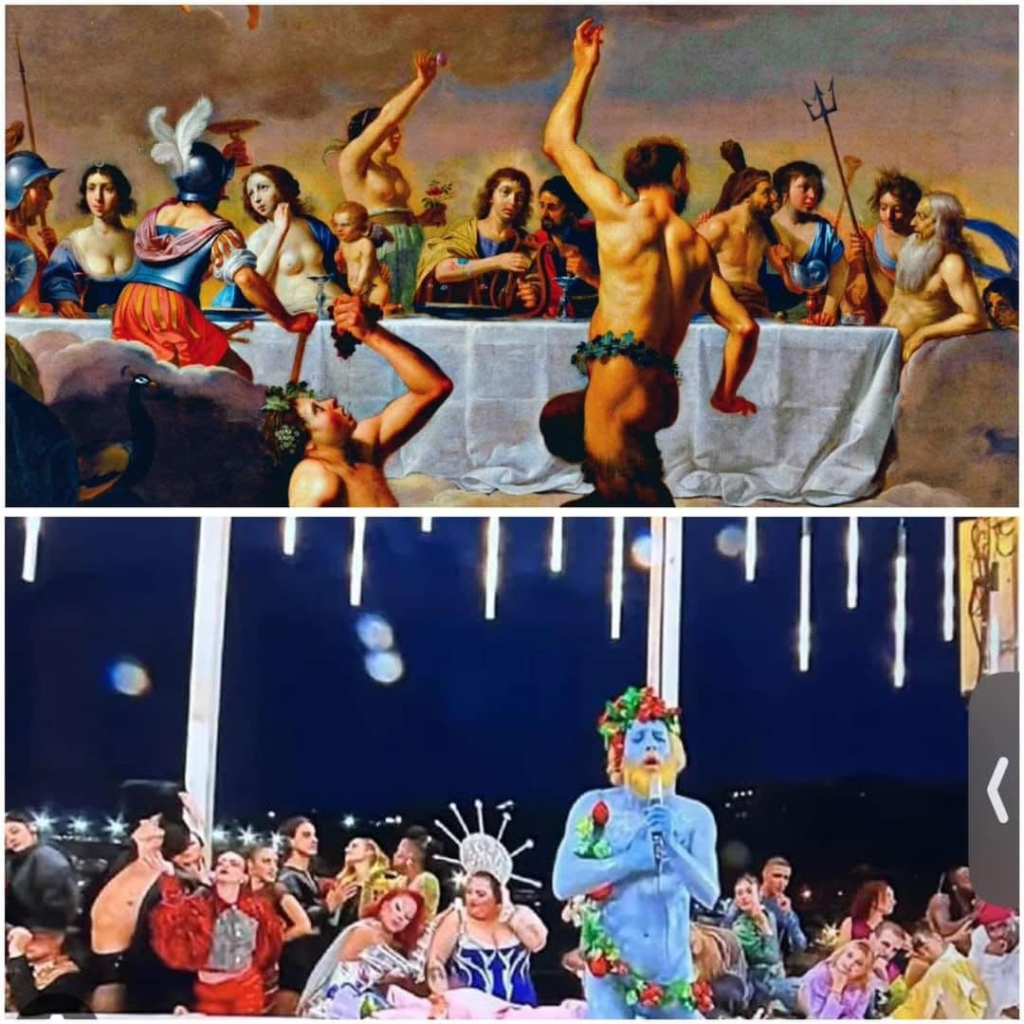
And finally, there was the great misreading — the neo‑modern Christian world confidently insisting that the homage to Dionysus and the festival of Bacchus was actually some kind of Leonardo da Vinci Last Supper tribute gone sideways. The irony is almost too rich. Da Vinci’s Last Supper — one of the most recognized masterpieces on the planet — began as a dining‑hall mural, a quiet, intimate moment of tension and betrayal. Meanwhile, the Olympic scene was a vibrant, ecstatic celebration of Dionysian myth, joy, and embodied freedom. Two entirely different worlds, two entirely different intentions.
The Last Supper
The scene on the scene and it's inspirational tableau!
Yet the certainty of the misinterpretation was louder than the facts. It’s fascinating — and honestly a little funny — how quickly people will claim authoritative truth over Christianity while ignoring the actual context of both images. It’s the kind of irony that reveals more about the systems doing the interpreting than about the art itself.
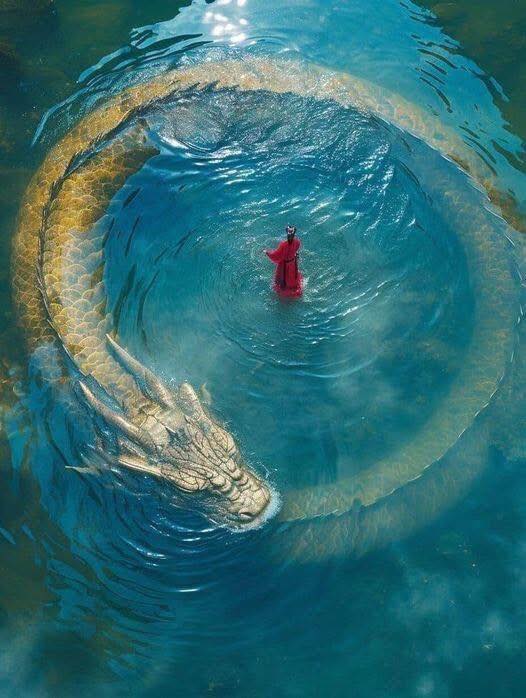
That’s why I’m drawn to placing the genuine Last Supper beside the genuine Bacchus depiction (above) — letting each speak in its own voice, with a simple summary of their historical and cultural context. Not to argue, not to provoke, but to show how important it is to actually understand what we’re looking at before we declare it sacred, heretical, or anything in between.
Because at the end of the day, this isn’t about art history trivia. It’s about how systems reach for control instead of truth — and how easily context gets sacrificed in the process.
The incoherence paired with the absolute demand to be “authoritatively correct” is… telling. It reminds me how many systems aren’t built with any real care for me — or for nuance, or for truth.
So I’m left holding a few hard but clarifying truths:
If they wanted to, they would.
No response is still a response.
Not everyone shares the same values, goals, or heart.
And honestly, timelines, discipline, discernment, and wisdom rarely align with the systems we’re expected to move through. The work is distilling courage, temperance, wisdom, and justice — even when the environment doesn’t reward them.
So here I land: don’t be a douchebag. And anything — system, person, or otherwise — that tries to wedge itself between me and my neighbor… I’ll choose my neighbor every time.
Turning the Circle: On Perception, and the One Conversation That Matters
Lately I’ve been thinking about perception as something closer to an infinity loop than a straight line. Not the classic sideways figure‑eight, but a kind of multi‑looped propeller — four, six, maybe eight infinity symbols all intersecting at a single center point. From a distance it looks like a cog, something that could spin forever. But up close, each loop is its own path of return, its own cycle of departure and arrival.
That’s what perception feels like to me.
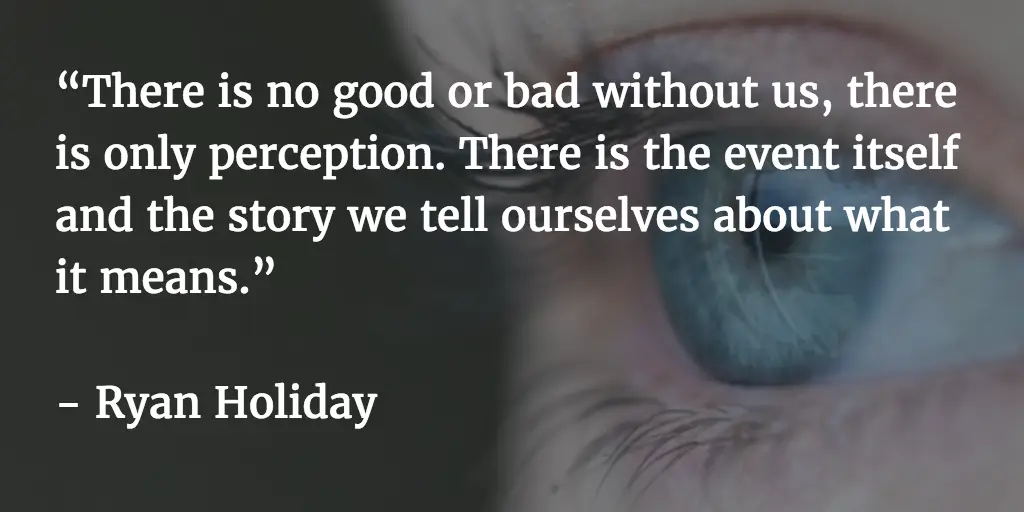
There’s what you notice in the moment of an experience. There’s what you notice afterward, when the dust settles. And then there’s what you notice much later, when reflection reshapes the whole thing again.
Each pass around the loop reveals something new. Each angle offers a different truth. And because we’re always changing — always arriving at the center as a slightly different version of ourselves — the possibilities become effectively infinite.
This isn’t about extracting a moral or delivering a tidy takeaway. I’m not trying to convince anyone of anything. Bukowski once said you can only convince people one at a time, and even then, only in the space of a real conversation. Everything else is romanticism or religion or politics — the mass‑produced versions of meaning.
I’m after something quieter.
A pause.
A breath.
A moment where the reader — myself first — might feel the loops turning in my own mind.
Not to agree with me. Not to follow me. My hope is just to see others also notice what shifts when one looks again from a slightly different angle.
Maybe that’s the real art here. Not the Last Supper, not the painter, not the question that started this whole spiral. The art is the turning — the willingness to revisit, re‑see, and re‑interpret. The courage to let perception be alive instead of fixed.
One conversation at a time.
One loop at a time.
One return to the center, always slightly changed.